PHP2Shell: Critical PHP Vulnerability Enabling Remote Code Execution

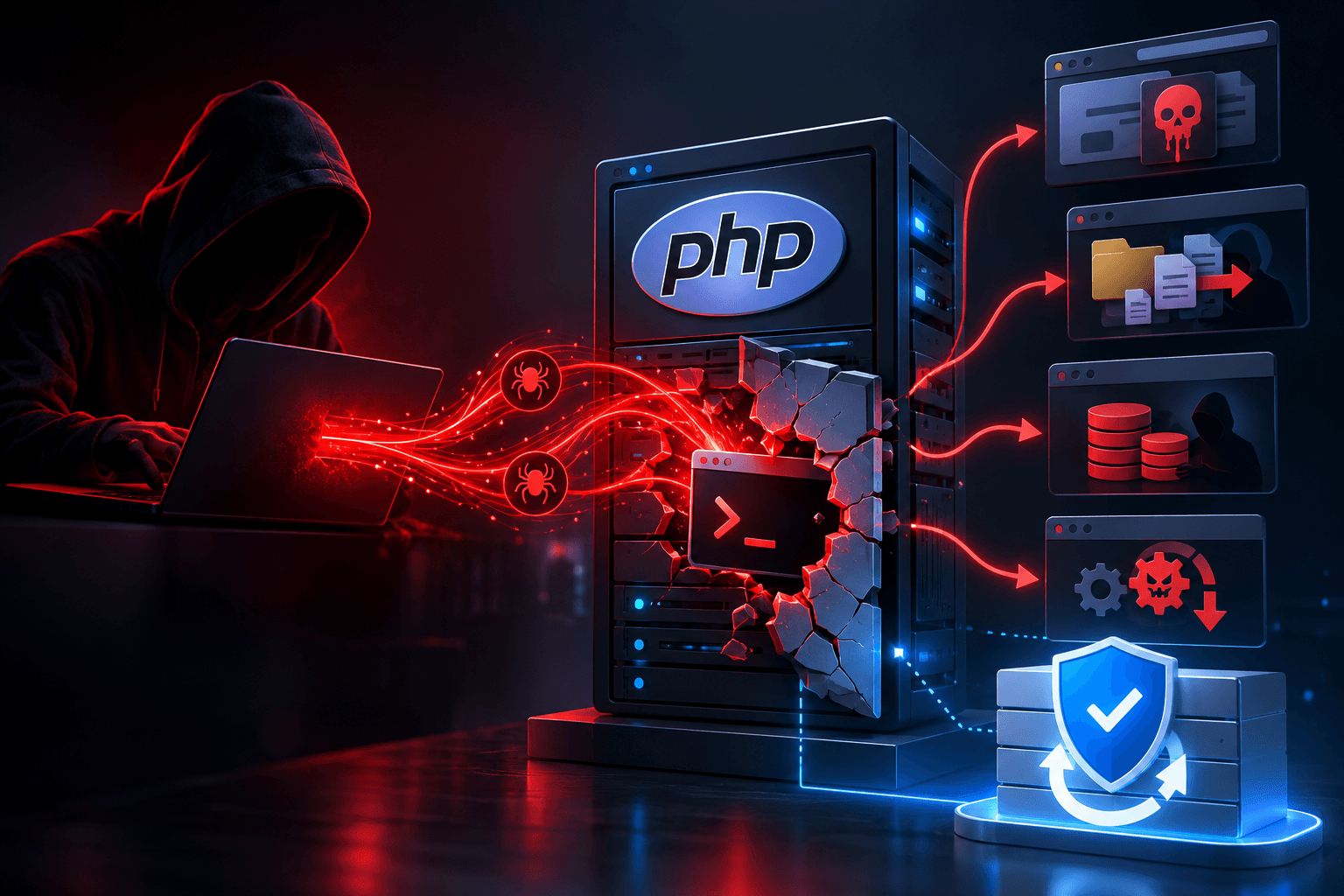
A new and alarming threat has emerged in the cybersecurity landscape, putting countless web servers at critical risk: PHP2Shell. This isn't just another vulnerability; it's a sophisticated cyberattack leveraging two newly disclosed PHP vulnerabilities (CVE-2026-109618 and CVE-2026-109619) that grant attackers unauthenticated remote code execution. With exploitation attempts already observed in the wild, the urgency to understand and mitigate PHP2Shell cannot be overstated.
If your organization runs PHP-powered applications, understanding PHP2Shell and taking immediate preventative action is paramount to safeguarding your digital assets from potential server takeover, data breaches, and other severe consequences.
Key Takeaways
- PHP2Shell is a critical remote code execution (RCE) vulnerability exploiting two core PHP flaws (CVE-2026-109618 and CVE-2026-109619), disclosed on October 21, 2026.
- Attackers can execute arbitrary malicious code on vulnerable PHP servers remotely and without authentication.
- Successful exploitation leads to severe impacts, including server takeover, sensitive data theft, website defacement, and malware installation.
- Exploitation attempts have been observed in active campaigns, highlighting the immediate threat to internet-facing PHP servers.
- Immediate action is required: update PHP to a patched version, restart PHP services, and conduct an investigation for suspicious activity.
What is PHP2Shell? Unpacking the Critical Vulnerability
PHP2Shell is the designated term for a critical cyberattack methodology that exploits two newly identified core PHP vulnerabilities: CVE-2026-109618 and CVE-2026-109619. Disclosed on October 21, 2026, these flaws combine to create a dangerous pathway for malicious actors. The name "PHP2Shell" encapsulates the ultimate goal of the attack: to gain a "shell," or command-line access, on a target PHP server.
Unlike many vulnerabilities that require complex multi-stage attacks or user interaction, PHP2Shell stands out due to its simplicity and severity. It allows remote attackers to execute arbitrary code on a vulnerable server without needing any prior authentication. This effectively means that an attacker can gain full control over the server simply by sending specially crafted requests.
How Does PHP2Shell Work? Understanding Remote Code Execution
At its core, PHP2Shell facilitates Remote Code Execution (RCE). RCE is one of the most severe types of vulnerabilities because it enables an attacker to run their own commands on a target machine from a remote location. In the context of PHP2Shell, this means an attacker, sitting anywhere in the world, can send specific data to a vulnerable PHP server and instruct that server to execute commands as if they were logged in locally.
The unauthenticated nature of these particular PHP vulnerabilities (CVE-2026-109618 and CVE-2026-109619) is what makes PHP2Shell so potent. It bypasses typical security layers like login screens and session management, allowing direct access to the server's underlying operating system. This direct line of attack makes it incredibly easy for adversaries to compromise systems once a vulnerable server is identified.
The Grave Impact of a Successful PHP2Shell Attack
The consequences of a successful PHP2Shell exploitation are severe and far-reaching, potentially crippling an organization's operations and reputation. Once an attacker achieves remote code execution on a PHP server, they gain significant control, which can lead to multiple forms of damage.
- Server Takeover: Attackers can gain root-level or administrative access, allowing them to fully control the compromised server, install backdoors, and establish persistent access for future attacks.
- Sensitive Data Theft: Any data stored on or accessible by the server, including customer databases, intellectual property, financial records, and confidential communications, can be exfiltrated.
- Website Defacement: Attackers might alter website content, inject malicious code, or completely replace the site with their own propaganda, damaging brand trust and user experience.
- Malware Installation: The compromised server can be used to host and distribute malware, becoming a launchpad for further attacks on visitors or other internal systems. This includes ransomware, cryptominers, or botnet agents.
- Lateral Movement: A compromised web server can serve as an entry point into the wider corporate network, enabling attackers to move laterally and compromise other systems and resources.
Who is at Risk? Identifying Vulnerable PHP Servers
Any internet-facing server running an unpatched version of PHP is potentially vulnerable to PHP2Shell. This includes a vast array of web applications, content management systems (CMS) like WordPress, Joomla, or Drupal, and custom-built PHP applications. Security researchers and threat intelligence organizations, including Amazon Threat Intelligence and Recorded Future, have already observed active exploitation attempts in the wild prior to public disclosure. This confirms that attackers are actively scanning for and attempting to compromise vulnerable systems.
The broad reach of PHP means that a significant portion of the internet's infrastructure could be exposed if not promptly secured. Developers, system administrators, and organizations of all sizes must assess their PHP environments immediately to determine their exposure.
Immediate Steps to Protect Your PHP Servers from PHP2Shell
Given the critical nature and observed exploitation of PHP2Shell, immediate action is not just recommended, it is mandatory. Organizations must prioritize patching and security hygiene to mitigate this threat.
- Update PHP Immediately: This is the most crucial step. Identify and apply the official security patches for your specific PHP version. These patches address CVE-2026-109618 and CVE-2026-109619. Consult official PHP documentation or your operating system's package manager for the latest secure versions.
- Restart PHP Services: After applying patches, it is essential to restart all PHP-related services (e.g., Apache, Nginx, PHP-FPM) to ensure the updated code is loaded and active. Without a restart, the old, vulnerable code might still be in use.
- Investigate for Suspicious Activity: Proactively check server logs, network traffic, and system activity for any signs of compromise. Look for unusual file creations, unexpected outbound connections, modified system files, or unknown processes running. If you find any indicators, initiate your incident response plan immediately.
- Implement a Web Application Firewall (WAF): A properly configured WAF can provide an additional layer of defense by detecting and blocking malicious requests targeting known vulnerabilities, including potential PHP2Shell exploitation attempts.
- Principle of Least Privilege: Ensure that PHP processes and the web server run with the minimum necessary permissions. This can limit the damage an attacker can inflict even if they manage to execute code.
- Regular Security Audits and Scanning: Conduct routine vulnerability scans and penetration tests on your public-facing PHP applications to identify and remediate potential weaknesses before attackers can exploit them.
Proactive Security Measures to Prevent Future Exploits
While immediate patching addresses the current PHP2Shell threat, a comprehensive security posture requires ongoing vigilance and proactive measures.
- Automate Patch Management: Implement a robust patch management system to ensure that all software, especially critical components like PHP, is kept up-to-date with the latest security fixes.
- Network Segmentation: Isolate critical servers and databases from the public-facing web server to minimize the impact of a breach. If a web server is compromised, segmentation can prevent attackers from easily accessing other parts of your network.
- Intrusion Detection/Prevention Systems (IDPS): Deploy IDPS to monitor network traffic for suspicious patterns and block known attack signatures, providing real-time defense against various threats.
- Comprehensive Logging and Monitoring: Centralize and actively monitor logs from all servers and applications. Anomalies in logs can be early indicators of an ongoing attack.
- Security Awareness Training: Educate development and operations teams on secure coding practices and common web vulnerabilities to prevent similar flaws from being introduced in custom applications.
Frequently Asked Questions About PHP2Shell
What are CVE-2026-109618 and CVE-2026-109619?
These are the two distinct, critical vulnerabilities in core PHP that are exploited together to form the PHP2Shell attack. While specific technical details are usually reserved for security advisories, they collectively allow for unauthenticated remote code execution on vulnerable PHP servers.
Is my PHP server vulnerable to PHP2Shell?
Your PHP server is likely vulnerable if it is internet-facing and has not been updated with the security patches released on or after October 21, 2026. All older versions of PHP are considered at risk until updated.
What does "remote code execution" mean in this context?
Remote Code Execution (RCE) means an attacker can send commands over the internet to your vulnerable PHP server, and the server will execute those commands. This allows the attacker to run their own code on your machine, potentially taking full control of it.
How quickly should I patch my PHP installation?
Given the critical nature of PHP2Shell and the observed in-the-wild exploitation attempts, patching should be treated with the highest urgency. Systems should be updated immediately, ideally within hours of patch availability, to minimize exposure to active threats.
Conclusion: The Urgency of Protecting Against PHP2Shell
PHP2Shell represents a severe and immediate threat to any organization relying on PHP for its web infrastructure. The ability for attackers to achieve unauthenticated remote code execution makes this vulnerability exceptionally dangerous, capable of leading to complete server compromise and devastating data breaches. Proactive and rapid response is not merely recommended, but absolutely essential. By promptly updating your PHP installations, restarting services, and remaining vigilant against suspicious activity, you can significantly reduce your risk and protect your critical online assets from the PHP2Shell cyberattack. Security is an ongoing process, and staying ahead of threats like PHP2Shell is key to maintaining a resilient digital presence.
You may also like


Comments(0)
Be the first to comment.