Traditional Maharashtrian Jewellery

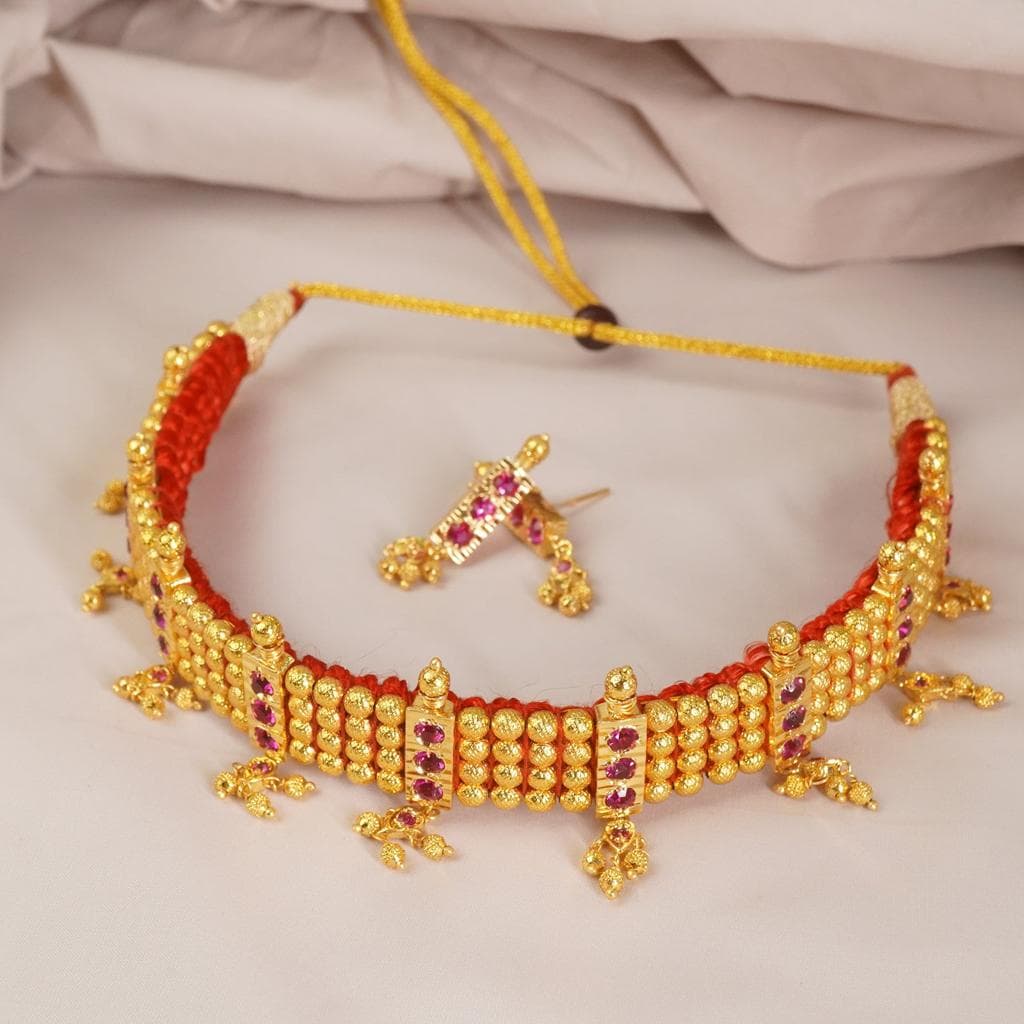
Step into a world where heritage meets artistry, where every piece of adornment tells a story of tradition, culture, and timeless beauty. Traditional Maharashtrian Jewellery is renowned for its distinctive designs, rich craftsmanship, and profound cultural significance, making it a beloved choice for celebrations and everyday elegance alike. From the intricate detailing of a Kolhapuri Saaj to the regal charm of a Chinchpeti, these pieces embody the spirit of Maharashtra and continue to captivate hearts. This guide explores the unique allure of these precious ornaments, their place in modern Indian fashion, and how to style them for every occasion.
Maharashtrian jewellery is rich in cultural heritage, with distinctive designs like the Kolhapuri Saaj and Chinchpeti.
The Kolhapuri Saaj is an iconic necklace featuring intricate pendants representing various elements of nature and prosperity.
Chinchpeti offers a unique choker-style necklace, often featuring pearls or beads, perfect for traditional and contemporary looks.
Modern interpretations include designer choker sets and the resurgence of antique jewellery, blending tradition with current trends.
These versatile pieces are ideal for Indian bridal jewellery, festive wear, and even fusing with Western outfits.
The Enduring Legacy of Maharashtrian Jewellery
The jewellery of Maharashtra is more than just ornamentation; it's a testament to centuries of cultural evolution, craftsmanship, and artistic expression. Each design carries symbolic meaning, often rooted in mythology, nature, and social customs. Worn by women for generations, these pieces are integral to Indian fashion, especially during weddings, festivals, and significant life events.
The distinctiveness of Maharashtrian Jewellery lies in its unique motifs, typically crafted in gold, often adorned with pearls, rubies, emeralds, and other precious stones. The techniques used, passed down through generations, result in pieces that are not only beautiful but also culturally significant. Understanding this rich heritage enhances the appreciation for each exquisite ornament.
Iconic Pieces of Traditional Maharashtrian Jewellery
When discussing Traditional Indian Jewellery from Maharashtra, several pieces immediately come to mind, each with its own story and charm. These ornaments are central to a Maharashtrian woman's adornment, particularly on special occasions.
The Royal Charm of Kolhapuri Saaj
Perhaps the most iconic piece is the Kolhapuri Saaj. Originating from Kolhapur, this elaborate necklace is characterized by its numerous intricate pendants (typically 21, though modern versions may vary) strung together on a thick, braided cord or golden chain. Each pendant traditionally depicts elements like the sun, moon, fish, lotus, cobra, and other auspicious symbols representing prosperity, protection, and fertility.
A true heirloom, the Kolhapuri Saaj is often a significant part of bridal jewellery, symbolizing the marital bond and a woman's entry into a new family. Its grandeur and detailed craftsmanship make it a showstopper, effortlessly elevating any traditional ensemble.
Chinchpeti: Elegance Reimagined
The Chinchpeti is a distinctive choker-style necklace that sits snugly around the neck. Unlike the heavier Saaj, the Chinchpeti is typically crafted from delicate pearls or small golden beads, often featuring a central, ornate pendant. Its design offers a sophisticated and elegant look, making it incredibly versatile.
Often adorned with rubies or emeralds, a Chinchpeti beautifully frames the face and complements traditional sarees, particularly the Paithani or Nauvari. It's a popular choice for festive occasions and is also seen as a refined piece of wedding jewellery, often layered with longer necklaces for a complete bridal look.
Beyond the Neckline: Other Essential Maharashtrian Ornaments
Thushi: A traditional Maharashtrian choker made of tightly woven golden beads, often featuring a central pendant. It's lightweight and a staple for daily wear or lighter festive occasions.
Mohanmaal: A long, multi-strand necklace made of golden beads, usually worn layered with other shorter necklaces. It adds a touch of regal elegance.
Nath: The iconic Maharashtrian nose ring, often studded with pearls and a ruby, characterized by its distinctive cashew-like shape. It's worn on the left nostril and is a hallmark of a Maharashtrian bride.
Bugadi: Small, intricately designed earrings worn in the upper lobe of the ear, often featuring pearls or small stones.
Vaki (Armlet): Ornate armlets, typically worn on the upper arm, signifying strength and grace.
Patlya and Tode: Broad, intricately designed bangles. Patlya are usually flat and wider, while Tode are heavier, solid bangles, both handcrafted masterpieces.
Modern Appeal: Designer Choker Sets and Antique Jewellery
While the essence of Traditional Maharashtrian Jewellery remains timeless, modern trends have led to exciting adaptations. Contemporary designers are reinterpreting classic motifs, creating pieces that appeal to a wider audience interested in both heritage and current fashion.
Evolution of the Choker in Indian Fashion
The choker has seen a remarkable resurgence in Indian fashion, and the designer choker set is a prime example of this evolution. Modern chokers often incorporate traditional Maharashtrian elements like pearls, ghungroos (small bells), or specific motifs, but with a more minimalist or fusion design. They are crafted in various metals, sometimes with oxidised finishes or intricate Kundan and Polki work.
These designer pieces are incredibly versatile, perfect for pairing with both traditional lehengas and contemporary gowns, making them a favorite for modern brides and fashion enthusiasts alike. They offer a touch of traditional elegance without the full weight of heavily ornate traditional pieces.
Embracing Antique Jewellery Trends
There's a growing appreciation for antique jewellery, reflecting a desire for unique, handcrafted pieces with a story. Many contemporary collections draw inspiration from vintage Maharashtrian designs, featuring oxidized silver, intricate filigree work, and uncut precious stones. These pieces often mimic the look and feel of heirlooms, providing a sense of history and individuality.
Antique-inspired Maharashtrian pieces are sought after for their distinct character and ability to add a touch of old-world charm to any outfit. They are perfect for those who cherish craftsmanship and wish to make a unique style statement.
Styling Your Maharashtrian Jewellery
Mastering the art of styling these beautiful ornaments allows you to celebrate your heritage with elegance and flair. Here are some ideas for different occasions.
For Weddings and Bridal Ensembles
For a Maharashtrian bride, a complete set typically includes a Kolhapuri Saaj, a Chinchpeti (often layered), a Nath, Thushi, Bugadi, Patlya, and Tode. The key is to balance the pieces; if your Saaj is very heavy, opt for simpler earrings or bangles. For a more modern bridal look, a stunning designer choker set can be the focal point, complemented by subtle traditional earrings and bangles. Explore Traditional Maharashtrian Jewellery to find exquisite pieces for your special day.
Festive Occasions and Celebrations
For festivals like Diwali, Ganesh Chaturthi, or Navratri, a single statement piece like a Kolhapuri Saaj or a well-chosen Chinchpeti can elevate a simple saree or salwar kameez. Pair a delicate Thushi with a classic Paithani saree for a refined, traditional look. Antique-inspired earrings or a bold ring can add a touch of personality.
Contemporary Fusion Looks
Don't shy away from incorporating Traditional Indian Jewellery into your modern wardrobe. A Chinchpeti can look striking with a high-neck blouse and a plain skirt, or even over a simple kurta. An antique jewellery necklace can be a conversation starter when paired with a monochrome dress. The key is moderation and letting one piece truly shine against a simpler outfit.
Caring for Your Precious Pieces
To ensure your Maharashtrian Jewellery retains its lustre for generations, proper care is essential. Store each piece separately in a soft cloth pouch to prevent scratches. Avoid direct contact with perfumes, lotions, and harsh chemicals. Regularly clean your jewellery with a soft, dry cloth. For intricate pieces, professional cleaning is recommended periodically to maintain their intricate details.
Frequently Asked Questions
What makes Maharashtrian jewellery unique?
Maharashtrian jewellery is unique due to its distinctive motifs inspired by nature, mythology, and local culture, such as the fish, peacock, lotus, and auspicious symbols. It often features intricate gold work, pearls, and specific designs like the Kolhapuri Saaj and Chinchpeti, which are instantly recognizable.
Can I wear traditional Maharashtrian pieces with Western outfits?
Absolutely! Many contemporary fashion enthusiasts blend traditional Maharashtrian pieces with Western attire. A bold Kolhapuri Saaj can be a stunning statement necklace over a simple dress, or a delicate Chinchpeti can add elegance to a blouse and skirt. The key is to balance the look and let the traditional piece be the focal point.
How do I choose the right Kolhapuri Saaj?
Choosing a Kolhapuri Saaj involves considering the number of pendants (traditional 21 vs. modern variations), the quality of gold, and the intricacy of the motifs. Consider its length and weight for comfort, especially if it's for bridal wear. Authenticity and craftsmanship are also crucial factors.
What are some popular materials used in Maharashtrian jewellery?
Gold is the predominant metal in Traditional Maharashtrian Jewellery, often high-carat. Pearls are frequently used, particularly in Chinchpeti and Nath designs. Precious and semi-precious stones like rubies, emeralds, and sometimes diamonds are also incorporated to add color and sparkle.
Conclusion
Traditional Maharashtrian Jewellery represents a beautiful confluence of history, artistry, and cultural pride. From the revered Kolhapuri Saaj to the elegant Chinchpeti, and the evolving allure of designer choker sets and antique jewellery, these pieces continue to inspire and adorn. Whether you're a bride, a festival-goer, or simply someone who appreciates exquisite Indian fashion, embracing these timeless treasures connects you to a rich legacy while allowing you to express your unique style. Invest in these enduring pieces, and you're not just buying jewellery; you're preserving a piece of heritage.
You may also like

meganathanrbm - Wednesday, 30 Jul 2025
Why Working More Hours Doesn’t Mean Getting More Done

Comments(0)
Be the first to comment.