The Soul of the Machine: Why Exhaust Sound and Ergonomics Defeat Specs

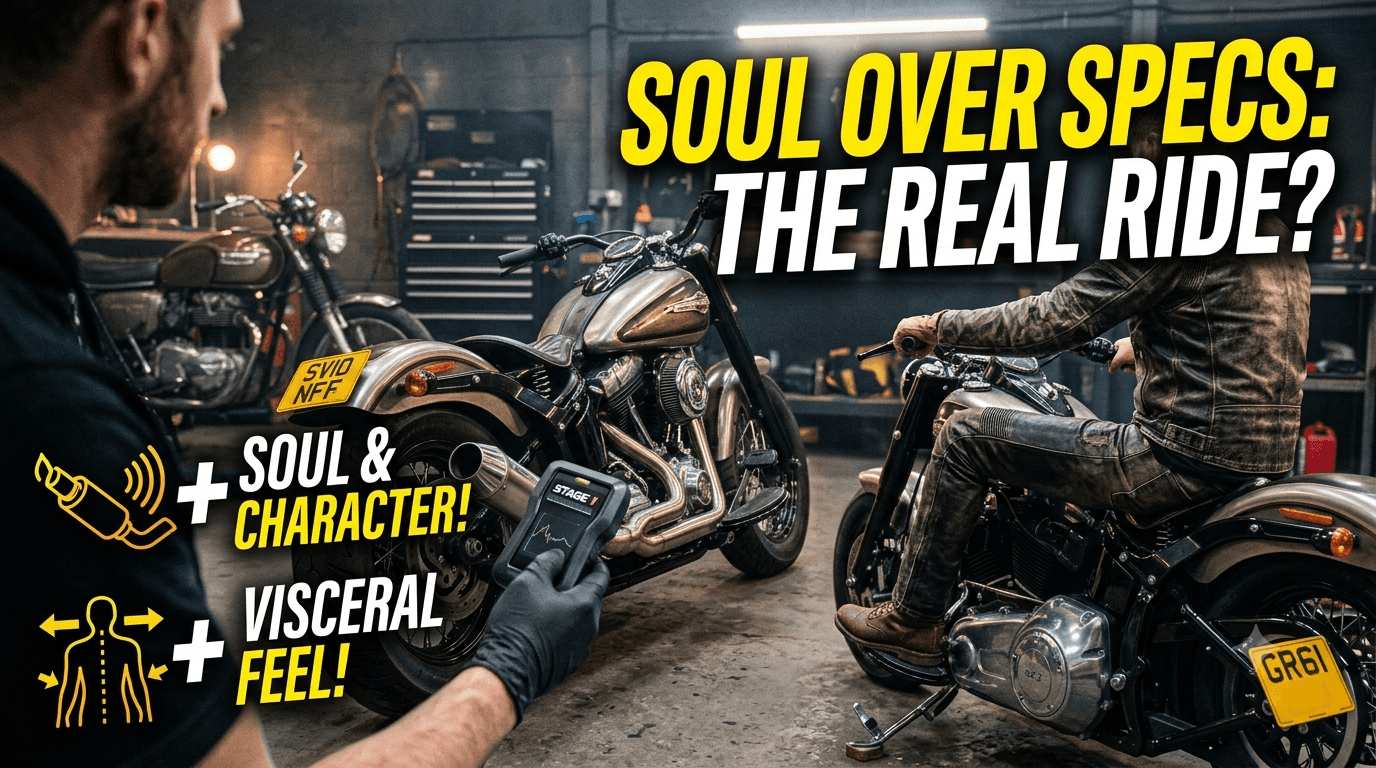
In a world obsessed with raw numbers and benchmark figures, it's easy to get caught up in the chase for the fastest 0-60 mph time or the highest horsepower. Yet, for many motorcycle enthusiasts, especially those drawn to the classic allure of a cruiser, these specifications tell only a fraction of the story. The true magic of a two-wheeled machine often lies not in its clinical data, but in its profound mechanical soul, the visceral rumble of its exhaust, and how perfectly it molds to the rider's body. It's about a connection that transcends mere performance, prioritizing character and comfort above all else.
Soul Over Specs: For many riders, the emotional connection, character, and overall feel of a motorcycle outweigh raw performance data.
The Power of Sound: An aftermarket exhaust system, particularly custom dual-tip setups, can transform a bike's personality and enhance the riding experience significantly.
Ergonomics are Key: A motorcycle that fits your body, especially for taller riders (around 6'1"), makes every journey more enjoyable and sustainable.
Tailored for Tall Riders: Specific modifications like forward controls, handlebar adjustments, and custom seats are crucial for optimal comfort and control.
The Visceral Ride: Combining the right sound and perfect fit creates a truly engaging and memorable connection between rider and machine.
Beyond the Numbers: Why Specs Don't Define the Ride
Walk into any motorcycle dealership, and you'll likely be presented with spec sheets detailing engine displacement, horsepower, torque, and acceleration figures. While these numbers are undoubtedly important for understanding a bike's capabilities, they often fail to convey the essence of what makes a motorcycle truly special. A bike isn't just a collection of components; it's an experience, an extension of the rider's will, and often, a canvas for personal expression.
For cruiser enthusiasts, this sentiment rings particularly true. The joy of cruising isn't about setting lap records; it's about the journey, the scenery, the feeling of the open road, and the undeniable presence of your machine. Here, the thumping rhythm of the engine, the comfortable posture, and the bike's unique personality take precedence over mere statistics.
The Symphony of the Road: Finding Your Perfect Exhaust Note
If the engine is the heart of a motorcycle, the exhaust is its voice. A bike's sound can evoke powerful emotions, announce its arrival, and contribute significantly to the overall riding experience. From a deep, resonant rumble to a crisp, attention-grabbing bark, the exhaust note is an integral part of a bike's character.
Many stock exhaust systems, while compliant with noise regulations, often muffle the true potential of a motorcycle's engine sound. Upgrading your exhaust isn't just about making more noise; it's about refining the tone, deepening the resonance, and allowing the engine's natural symphony to sing. A well-chosen aftermarket exhaust can transform a somewhat bland-sounding machine into a roaring beast or a purring panther.
Custom Dual-Tip Exhaust Systems: A Game Changer
For modern cruisers, custom dual-tip exhaust systems are particularly popular, offering both aesthetic appeal and a distinctive auditory signature. These systems often feature separate pipes for each cylinder or bank of cylinders, resulting in a balanced, muscular sound that is instantly recognizable.
Beyond the sound, custom dual-tip exhausts also contribute to the visual identity of a cruiser. Available in various finishes, from gleaming chrome to stealthy matte black, they can dramatically enhance the bike's styling. When selecting an exhaust, consider the material, the design, and critically, how it complements the bike's overall look and sound profile. Remember to research local noise ordinances and ensure your chosen system complies with regulations.
Tailored to Your Frame: Ergonomics Beyond the Showroom
Imagine driving a car with the seat too far back, the steering wheel too low, and the pedals awkwardly placed. It would be uncomfortable, fatiguing, and potentially unsafe. The same principle applies to motorcycles, perhaps even more so, given the direct physical connection between rider and machine. Ergonomics, or how well a motorcycle fits your body, is paramount for comfort, control, and long-term enjoyment.
A poorly fitting bike can lead to discomfort in the back, shoulders, wrists, and knees, turning what should be a joyous ride into a chore. Conversely, a motorcycle that perfectly aligns with your body allows for natural control inputs, reduces fatigue, and enhances confidence, making every mile a pleasure.
The Taller Rider's Dilemma: Perfecting the Fit for 6'1" and Up
For riders around 6-foot-1 and taller, finding a stock cruiser that offers ideal ergonomics can be a challenge. Many factory setups are designed for an average build, often leaving taller riders feeling cramped and folded onto the bike. The most common issues include:
Knee Angle: Foot pegs positioned too far back or too high can result in an acute knee bend, leading to discomfort and reduced blood flow on longer rides.
Handlebar Reach: Stock handlebars might force a taller rider to hunch over or stretch uncomfortably, straining the back and shoulders.
Seat Position: The stock seat might push the rider too far forward, limiting legroom and overall movement.
Fortunately, the aftermarket offers a wealth of solutions to transform a stock bike into a tailored fit for taller individuals:
Forward Controls/Peg Relocation Kits: These move the foot pegs further forward, opening up the knee angle and providing crucial legroom. This simple modification can dramatically improve comfort for long-legged riders, allowing for a more relaxed, stretched-out posture typical of cruiser riding.
Handlebar Adjustments: Replacing stock bars with taller (e.g., mini-ape hangers), wider, or more swept-back designs can optimize reach and arm position. Handlebar risers can also lift the existing bars, reducing the need to hunch. The goal is a neutral wrist angle and a comfortable, upright or slightly reclined posture.
Custom Seats: Aftermarket seats can be designed with different foam densities, contours, and most importantly, adjusted seating positions. A seat that moves the rider back and slightly up can create invaluable space and improve overall comfort. Some seats also offer a wider platform, distributing weight more effectively.
These modifications, when combined, can completely transform the riding experience, turning a bike that felt like a compromise into one that feels custom-built for your stature.
The Intangible Factor: What "Soul" Really Means on Two Wheels
The "soul of the machine" is an elusive concept, but it's unmistakably present when you find it. It's the sum of all sensory inputs: the vibration of the engine through the frame, the precise click of the gear selector, the way the bike leans into a turn, and above all, the connection you feel. A bike with soul isn't just transportation; it's a partner in adventure, a source of joy, and a reflection of your personality.
When the exhaust sings a deep, resonant tune and the ergonomics allow you to settle in perfectly, the bike ceases to be an inanimate object. It becomes an extension of yourself, responsive and alive. This visceral connection, this seamless blend of human and machine, is where the true essence of motorcycling lies. It's why many riders bond so deeply with their bikes, forming relationships that go far beyond what any spec sheet could ever describe.
Making the Choice: Prioritizing Feel Over Figures
When you're in the market for a new cruiser, resist the urge to get bogged down by performance charts alone. Instead, prioritize the qualitative aspects that will define your ownership experience. Here's how to approach your decision:
Test Ride, Test Ride, Test Ride: This is non-negotiable. Spend as much time as possible on different models. Pay attention to how the bike feels, not just how it performs. Does it feel balanced? Are the controls intuitive?
Listen to Your Gut (and the Exhaust): Does the engine's vibration feel right? Does the exhaust note resonate with you? Don't underestimate the power of sound in creating an emotional connection.
Assess Ergonomics Critically: How do your arms, legs, and back feel after 15-20 minutes? Imagine longer rides. If it doesn't feel right, consider what modifications you might need and factor those into your budget.
Consider Aftermarket Potential: Some bikes are more amenable to customization than others. If you anticipate needing ergonomic adjustments or an exhaust upgrade, research the availability and cost of aftermarket parts for your preferred models.
Frequently Asked Questions
Do performance specs truly not matter at all for a cruiser?
While horsepower and top speed are less critical for cruisers than for sportbikes, specs still provide a baseline. You want sufficient torque for effortless cruising and highway passing, and reliable braking. The point is that these specs are a foundation, not the sole determinant of a bike's appeal. Cruisers are designed for a different kind of performance: relaxed, confident, and comfortable.
What are common ergonomic modifications for taller riders on cruisers?
For riders around 6'1", common modifications include installing forward controls or peg relocation kits to increase legroom, upgrading handlebars (e.g., ape hangers, T-bars, or risers) to improve reach and posture, and investing in an aftermarket seat that provides more space and better support. These changes collectively create a much more comfortable and controlled riding position.
How much does a good aftermarket exhaust system cost?
The cost of an aftermarket exhaust system for a cruiser can vary widely, from a few hundred dollars for slip-on mufflers to over a thousand dollars for a full custom dual-tip system. Factors influencing price include the brand, materials (chrome, stainless steel, black ceramic coating), design complexity, and whether it's a slip-on or a full replacement system. Installation costs can also add to the overall expense if you don't do it yourself.
Conclusion: Embracing the Visceral Ride
In the vast landscape of motorcycles, where innovation constantly pushes the boundaries of speed and technology, it's crucial to remember what truly connects us to our machines. The soul of a motorcycle is not found in a spreadsheet but experienced in the deep rumble of a custom dual-tip exhaust, the perfect ergonomic fit that feels like an extension of your own body, and the countless intangible moments on the open road. When you choose a bike based on these visceral qualities, you're not just buying a mode of transport; you're investing in an unparalleled riding experience, one that speaks directly to your spirit and makes every journey unforgettable.
You may also like

gowshikak - Friday, 2 May 2025
Digital tools to enhance online teaching in 2025
Comments(0)
Be the first to comment.